Schools Closed Tomorrow: What You Need To Know
BlogSchools Closed Tomorrow: What You Need To Know - For students, the disruption of their daily routine can lead to confusion and anxiety. Parents may also face challenges in arranging alternative childcare or adjusting work schedules. Platforms like Khan Academy, Google Classroom, and Coursera offer a wide range of educational resources that can supplement traditional learning.
For students, the disruption of their daily routine can lead to confusion and anxiety. Parents may also face challenges in arranging alternative childcare or adjusting work schedules.
Share educational resources, such as books or learning materials, with families who may not have access to them.
Students with special needs may be entitled to additional support during closures to ensure they receive a free appropriate public education (FAPE).
Outbreaks of contagious diseases, such as the flu or more severe pandemics, may necessitate temporary school closures to prevent the spread of illness. According to the Centers for Disease Control and Prevention (CDC), timely closures can help reduce transmission rates.
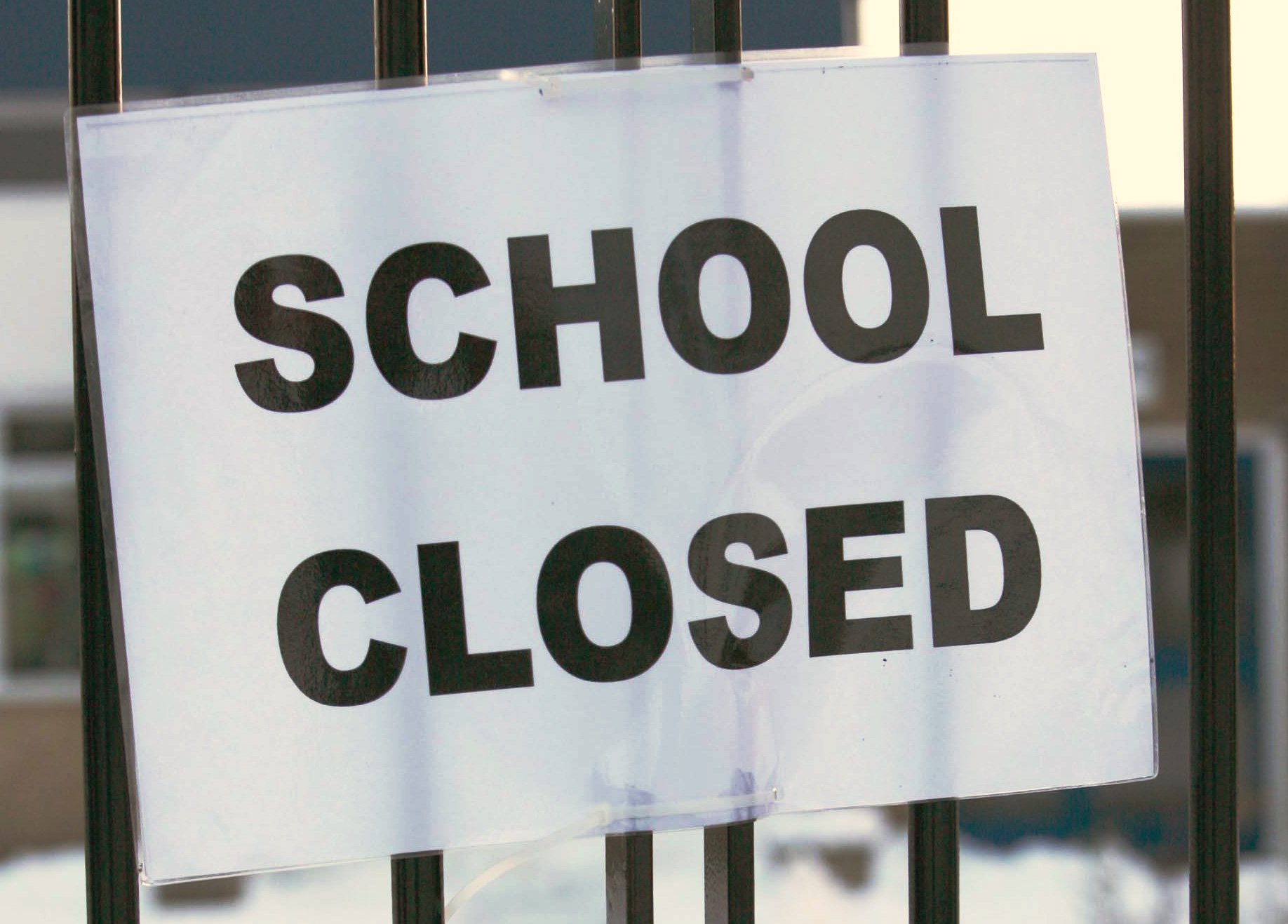
Extreme weather events such as snowstorms, hurricanes, or heatwaves often lead to school closures. These conditions can pose significant risks to student safety during transportation and outdoor activities.
When schools close tomorrow, it can create a ripple effect in the daily lives of students, parents, and educators alike. Whether it's due to unforeseen circumstances like extreme weather, health concerns, or scheduled holidays, understanding the reasons behind these closures is crucial. This article dives deep into why schools might be closed tomorrow, how you can stay informed, and what steps you can take to prepare.
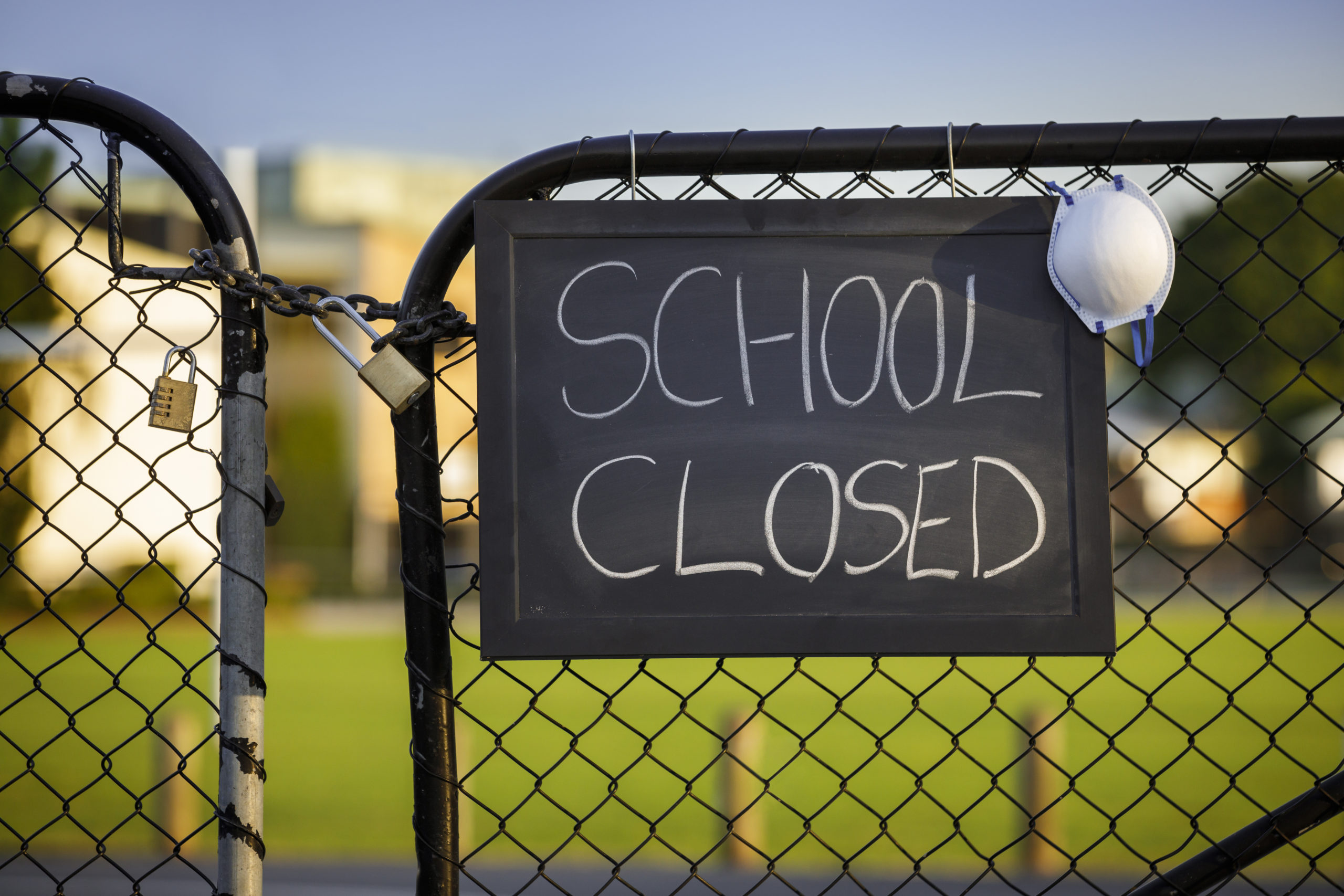
Join parent-teacher associations or community groups to stay connected with others who may share resources or advice during closures.
E-books, educational apps, and interactive websites provide students with access to a wealth of information, even when schools are closed.
Implementing these measures can help protect both students and their families from potential health risks.
Organize volunteer-led tutoring sessions or mentorship programs to assist students who may be struggling.
Incorporate hands-on activities and projects that align with your child's curriculum to keep them engaged and motivated.
During closures due to health concerns, maintaining good hygiene practices is crucial. The World Health Organization (WHO) recommends: